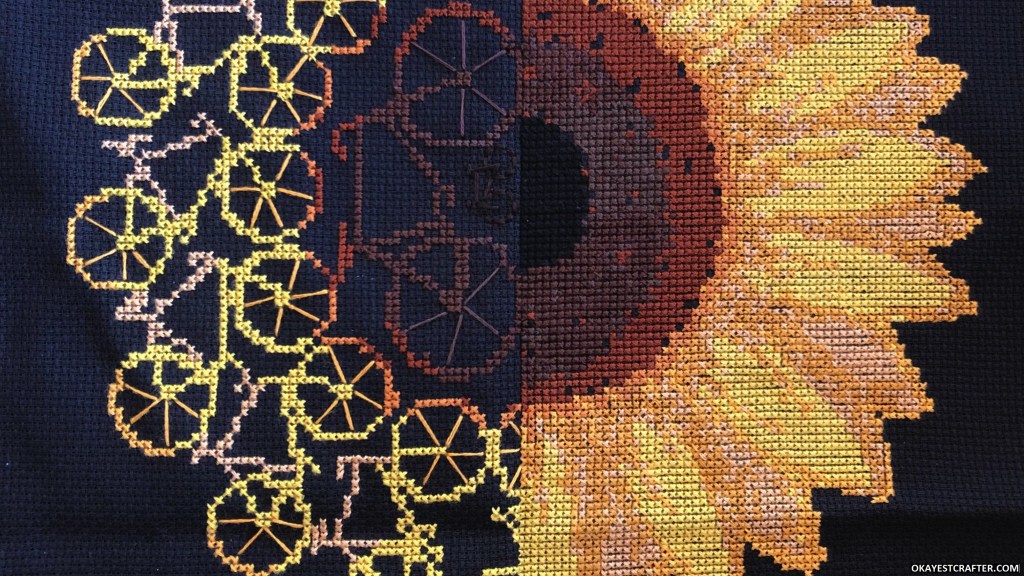
Have you ever looked at beautiful needlework and thought, “I wish I could do that”? Beginning something new can be a very daunting task. After all, the majority of cross stitch websites, groups, and social media pages have their own language. Even something as basic as finding the correct fabric, the very soul of cross stitching, can make you feel overwhelmed. Rest assured, you are not alone. Many beginners stop at this point and never go on to even attempt their first project. Don’t think about stopping now! You CAN do this and this article will help you with taking that very first step. After reading through this article, you will gain an understanding of the different types of fabric options out there so you can select the best option for you and your project.
There are 4 main fabrics to choose from that I will cover in this article: aida, hardanger, evenweave, and linen. There are other specialty choices as well such as plastic canvas and waste canvas which I will briefly touch on. There are also a multitude of other fabric choices out there that I will not be covering in this blog but they are essentially variations of the main four I will be covering for the most part. Just remember that there are no wrong choices for cross stitching fabrics. I have even seen people stitching designs on window screens. As long as you can visualize a type of grid, you can use it as long as it suits your project.
1. AIDA
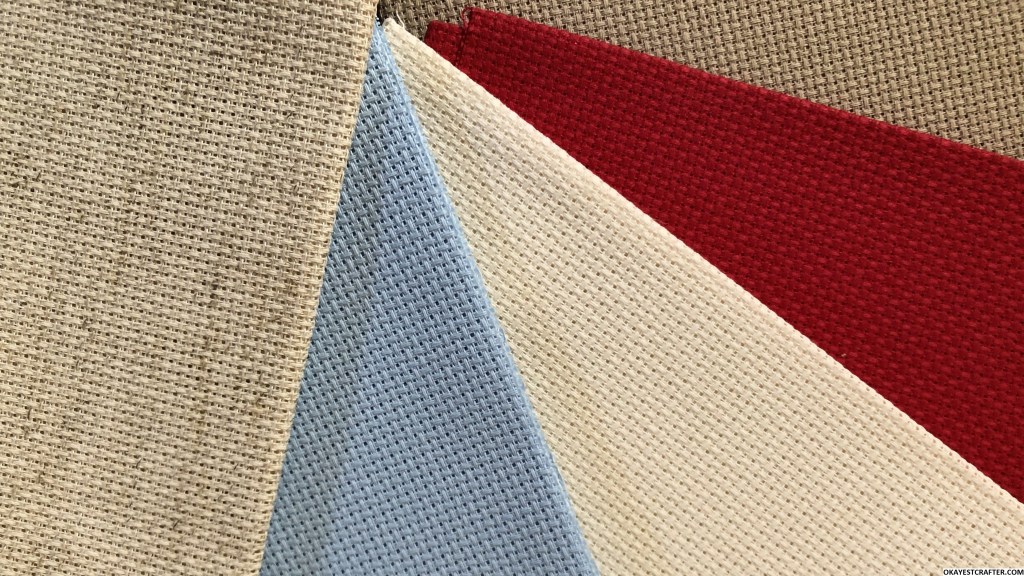
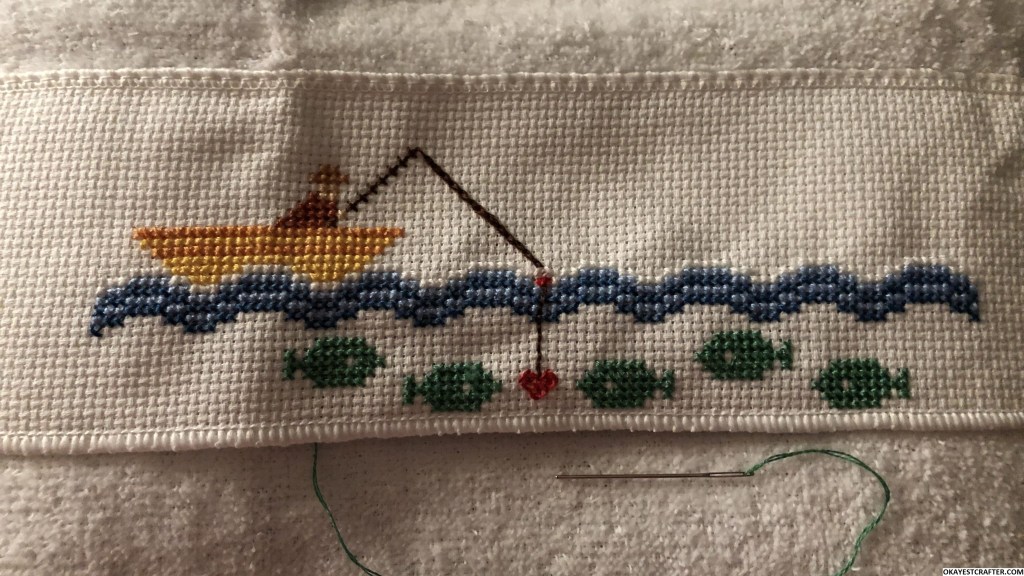
Aida is 100% cotton and the easiest fabric to learn on. It can come in sizes from 6ct to 28ct. Most people select aida for cross stitching, especially beginners, due to the ease at which you can obtain it, the color options, and the price.
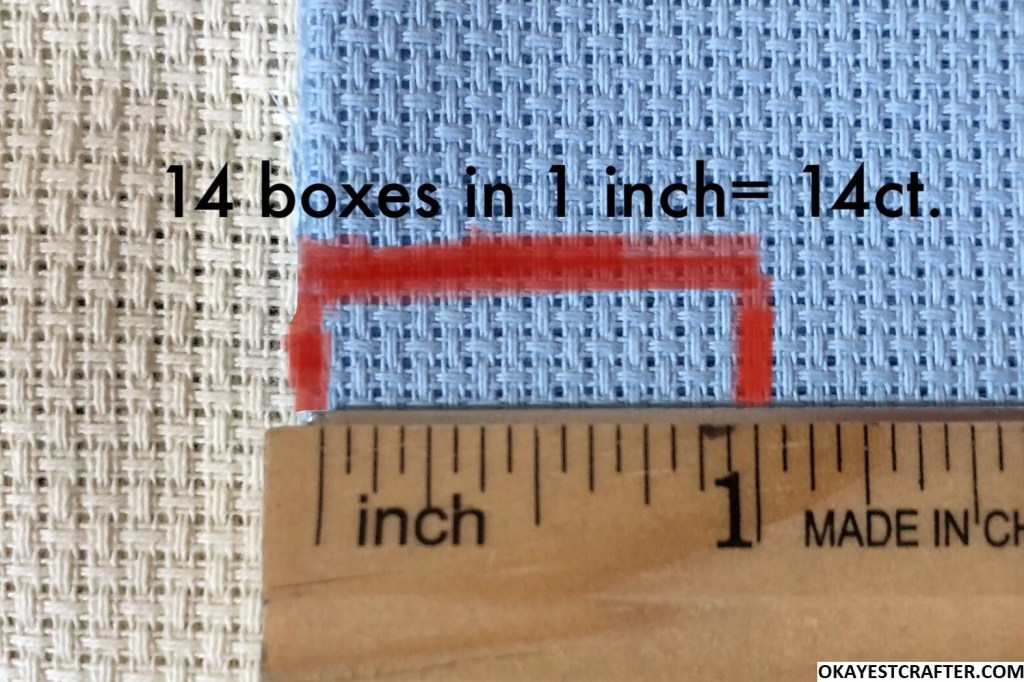
If you have a piece of Aida and are trying to make sure you have the correct size, you can easily calculate the count by measuring one inch and counting the number of boxes. If there are 14 boxes in one inch, you have 14 ct Aida. The smaller the count, the larger the boxes.
If the beginner is a child, the smaller count would be much easier for them to use. An 8 count Aida is typically found in children’s cross stitch kits.
If the beginner is an adult, 12 or 14 count would be best. Just remember that the smaller the number you choose, the larger the design will end up so make sure to check that the size of your fabric will be enough. You do not want to run out of space when you have worked so hard on your design. If you select a very high count like 22 or 28, you should either have good eyesight or a good magnifier as the holes will be very close together and the final product will be much smaller in size. Typically, more advanced stitchers would choose these higher counts for the look it gives to the finished piece.

2. HARDANGER
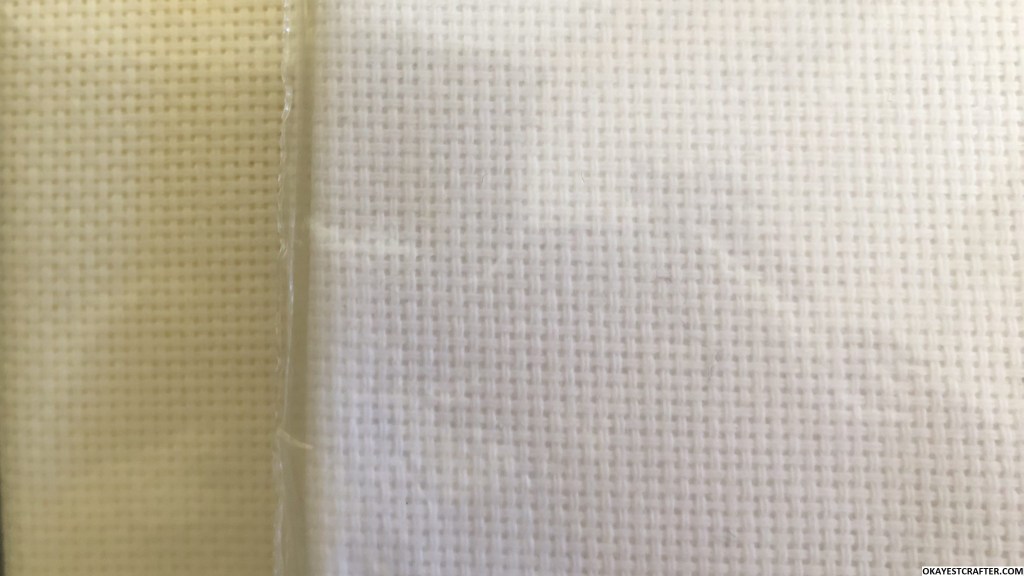
Hardanger is made of 100% combed cotton. The biggest difference is the fact that this type of fabric is softer and not as stiff as aida. This makes it easier to warp or stretch so you really need to be careful about tension and this makes it slightly more difficult to use. Most people tend to stitch 2 over 2 on 22ct with the end result being equivalent to 11ct Aida. This means 2 squares across and 2 squares up, for a total of 4 squares, on the fabric equal one stitch. I will cover this method in another article.
Most historic cross stitch samples were on Hardanger . It was very popular up until about 1986 and now it is a little more difficult to find since the stitching world has favored aida.
3. EVENWEAVE
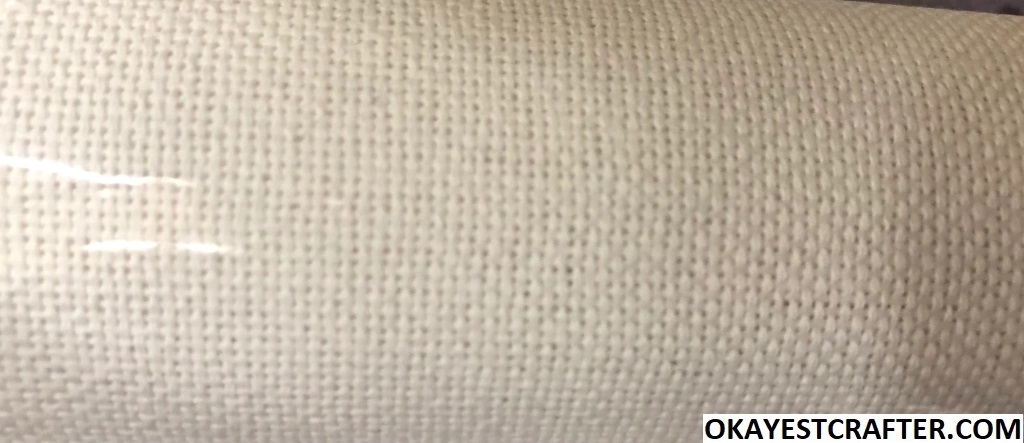
Evenweave, also sometimes called Monk’s cloth, is practically any material that has an equal number of threads when measuring in both directions. There are no squares to count but instead you count the threads that you will cross over. Typically, you would cross over two threads with each stitch.
In order to find the appropriate count size to calculate the amount of fabric you will need, simply count the threads and divide by 2. So, the result of 28ct evenweave would be the same size finished as 14ct Aida.
A couple of variations of Evenweave include Davosa and Lugana fabrics.
4. LINEN
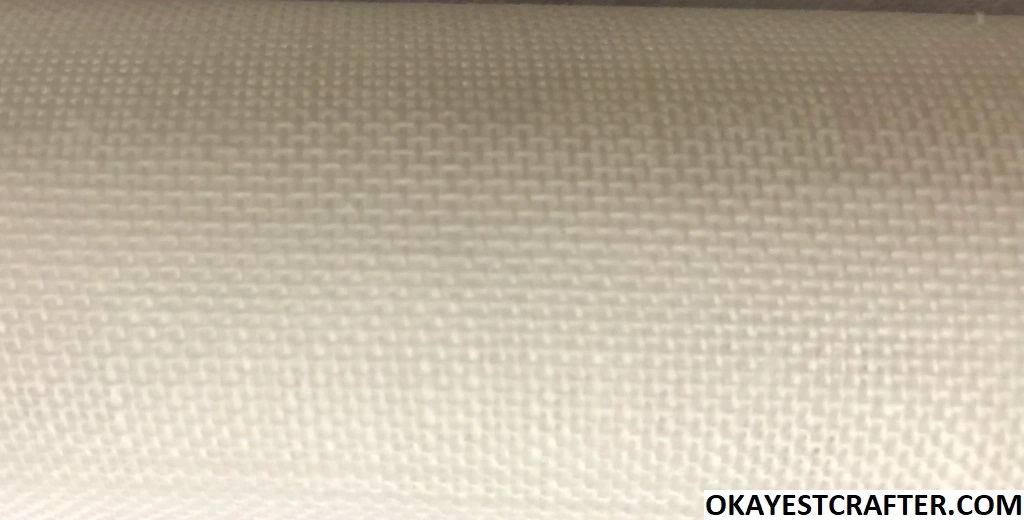
Linen can come in a variety of thicknesses and may or may not be “even” so the design may not come out the same size vertically and horizontally depending on the fabric that you choose. However, linen can make a really nice finished piece and that is why some advanced cross stitchers still choose to use it. The way you would stitch on linen is really no different than stitching on evenweave.
This is usually the fabric of choice for embroidery more than for cross stitch, but, this in no way means cross stitch cannot be done on linen. I just recommend rethinking it if your design requires exact height and width proportions to look right.
Linen, like hardanger, is unstarched so again, you risk the warping and stretching. It is suggested to find a good frame or hoop to help prevent this from happening. Also, like hardanger, it is recommended to stitch 2 over 2.
5. OTHER FABRIC OPTIONS
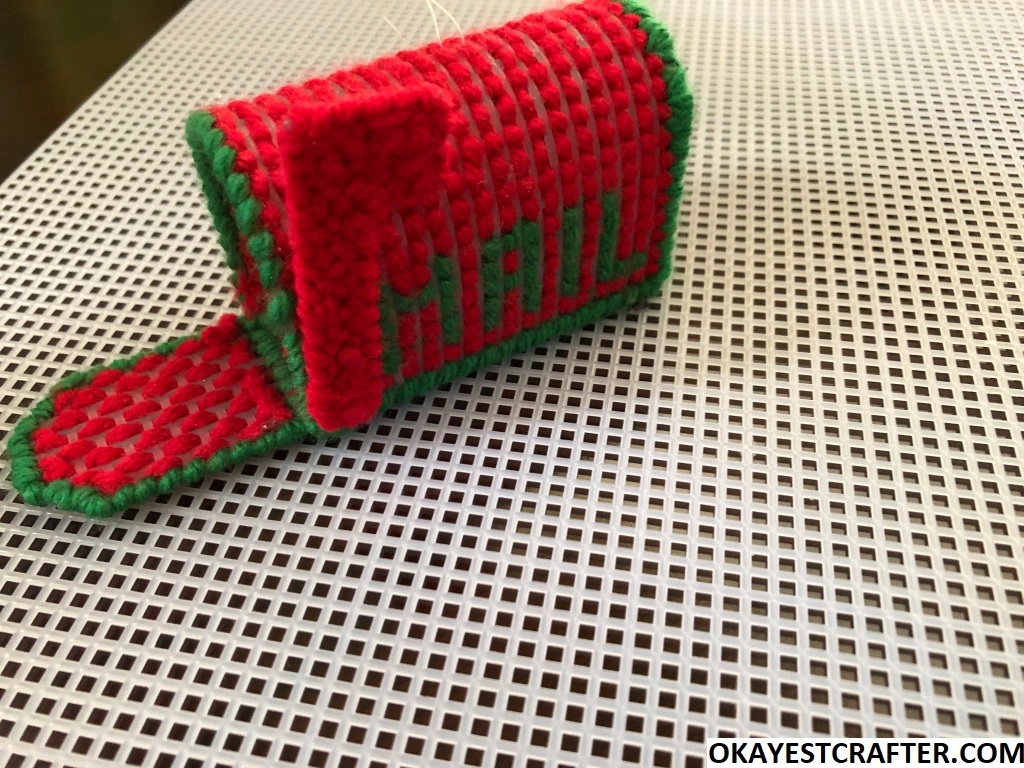
Plastic canvas looks like a plastic grid. You can get plastic canvas in large sizes or even pre-cut shapes such as hearts or stars. Plastic canvas can be used to make 3D items and you can utilize many different cross-stitching techniques for decorating. You can cut the plastic canvas down to whatever shapes and sizes you need for your project and stitch them together to create ornaments, houses, etc. Plastic canvas is also great for children learning to cross stitch.
Waste canvas (not pictured) is another type of stitching fabric that is very useful if you are stitching your design on an item such as clothing or a tote bag. You would attach the appropriate size waste canvas to the item and then cross stitch your design. When you are finished, the waste canvas, depending on the type, will either disappear in the wash or you will have to pull the strings of the waste canvas out from behind the design, leaving only the design behind.
Honestly, there is no wrong choice to selecting a fabric for your cross stitch. Certain fabric options are easier to come by, easier to use, and less expensive than others. When making your selection, think of your finished piece and how you would like it to look. Also, make sure to take your skill level into consideration. Soon enough you will feel the sense of accomplishment when you have finished your first piece. Make sure to check out my other related blog posts, subscribe to my channel on You-Tube and follow me on social media.
References:

 Okayest Crafter